Packing for Cusco: How to Be Ready for Intense Sun, Rain, and Cold (Without Looking Like a Safari Guide)
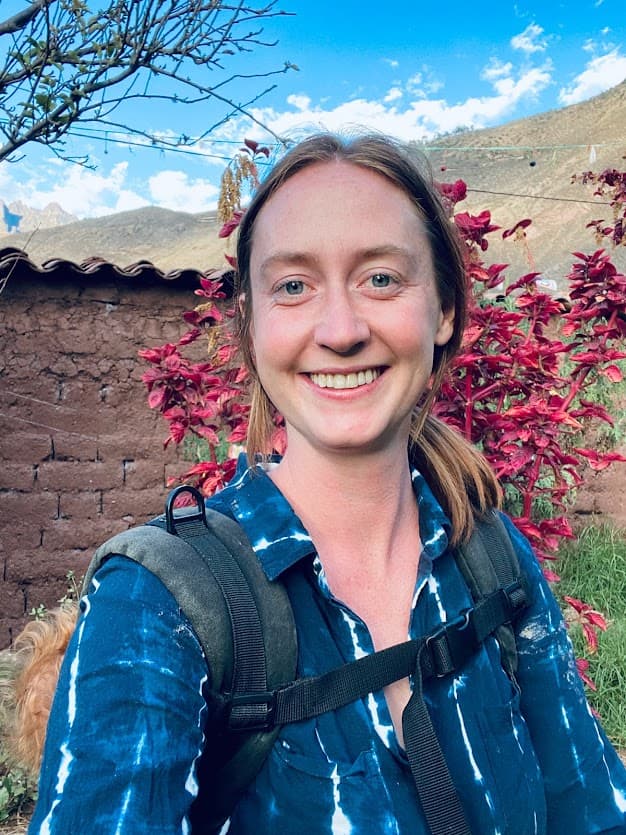
Rebecca W.
Co-founder, UnlockCusco
When I first traveled to South America, I did an awful job of packing. I walked into a travel shop in downtown Boulder and bought a mountain of technical “travel clothes” and a behemoth backpacking pack.
Some of the clothes were okay, but most of them never felt quite like me. And that backpack? It was so violently oversized that I’m pretty sure my current chronic back pain started right then and there. I had way too much stuff, but absolutely none of the right stuff. It got so bad that every time I handed my pack over to a bus driver or a hotel bellhop, I secretly hoped someone would just steal the thing to relieve me of the burden.
To save your spine—and your style—let me help you avoid making the exact same mistakes on your trip to Cusco.
Mistake 1: Clothes That Don’t Feel Like "You"
I used to think buying specialized "travel gear" was a requirement. The problem is that most technical travel clothes make you feel like an undercover safari guide instead of yourself. You want to look back at your travel photos and see you, not a walking billboard for an outdoor catalog.
You absolutely need sun protection, but you don't need head-to-toe Gore-Tex to get it.
The Fix:
- Ditch the Cargo Travel Pants: Leave the multi-pocket hiking trousers at home. You will feel much more like yourself in your favorite jeans, a solid pair of leggings, or some comfortable joggers.
- Skip the Shorts: You won't see locals wearing shorts very often in Cusco; the culture is a bit more conservative than the coast or the jungle. Plus, there are tiny, annoying midges (biting bugs) that absolutely love exposed ankles.
- Keep Tops Light and Breathable: Bring a lightweight button-up shirt in a linen or cotton blend, a few tank tops, and a couple of regular t-shirts. If you’re hiking up around Machu Picchu, pack just one dedicated UPF sun shirt.
- Pack One "Feel Good" Item: Bring a comfortable dress or a jumpsuit. Choose something that you don’t mind getting a little wrinkled but makes you feel pretty when you want to dust off the trail grime for a nice dinner.
Mistake 2: The "Behemoth" Backpack
My giant Osprey backpack was a logistical nightmare. The airport in Lima is massive and requires a ton of walking, and Cusco’s historic center is a maze of steep, cobblestone stairs that taxis physically cannot drive up. Hauling a giant pack up those stairs is a quick way to ruin your first day.
If you aren’t bringing a rolling suitcase, do not buy a backpack over 50 liters. If you pack carefully, you can easily go much smaller.
The Fix:
- The 50L Max Rule: If you are unsure about the weight, pack your bag at home and do a test walk for half a mile. If you feel like collapsing, open the bag and start losing stuff immediately.
- Stop the "Front-Pack" Madness: Don't make the mistake of strapping a secondary daypack across your chest like a turtle shell. It destroys your posture and makes navigating crowded local buses impossible. Instead, keep your essentials—phone, passport, wallet, and sunglasses—in a simple, secure crossbody bag on your front.
- What I Use Now: I upgraded to an awesome, compact Cotopaxi Allpa Travel Pack. It forces me to pack smart, fits perfectly in overhead compartments, and keeps everything organized without the bulk.
Mistake 3: The "Only Hiking Shoes" Trap
On my first trip, I had a pair of [Salomon sneakers](https://amzn.to/3SxJ08j) that I absolutely loved (and will recommend forever for hiking), but I didn't bring a single pair of normal, flat shoes. Every time I wanted to go to a casual cafe or a nice restaurant, I felt like I was dressed to summit a mountain.
The Fix:
- Pack a Travel Flat (With Traction): Bring a simple, lightweight flat shoe or canvas sneaker for city walking. Crucial tip: Make sure it has a solid rubber sole with actual grip. Cusco’s historic stones turn mirror-slick the second a sudden rainstorm hits, and you don’t want to accidentally ice-skate down the steep stairs of Resbalosa street.
- Bring Flip-Flops: Pack a lightweight, cheap pair of flip-flops. You'll want them if you're staying in a hostel or taking a day trip to the local hot springs.
- Choose One Style: If you are a dedicated Birkenstock fan, choose between your travel flats or your Birks—you don't need both taking up precious space.
Mistake 4: Awkward Outer Layers
Weather in the Andes moves fast. You will experience scorching equator-adjacent sun, sudden downpours, and freezing high-altitude nights all in the same afternoon. Layers are your best friend, but make sure they are layers you actually enjoy wearing.
I spent my first trip wrapped in a bright neon-green rain jacket that was completely wrong for my skin tone, and I hated looking at myself in photos.
The Fix:
- A Neutral Rain Jacket: Absolutely bring a rain jacket, but choose a color that actually suits you or a solid neutral tone that blends with the rest of your clothes.
- Packable Down: Cusco gets incredibly chilly the moment the sun drops below the mountains. A lightweight, packable down jacket is a total necessity. (Packable Down)
- The Secret Weapon (Cashmere): If you take only one high-quality outer layer, make it a cozy 100% Cashmere Crewneck Sweater (brands like State Cashmere on Amazon make incredible, classic versions). Cashmere is brilliant for travel: it’s lightweight, intensely warm without causing overheating, and naturally resists odors so you can wear it repeatedly.
- A Wide Shawl: A large, soft shawl doubles as a cozy blanket on long bus rides and a temporary sun shield for your shoulders. If you don't own one, don't buy it before you leave! You can pick up stunning, inexpensive alpaca-blend shawls at the local markets in Cusco, Pisac, or Ollantaytambo.
- A Packable Sun Hat: The high-altitude sun here is deceptively intense. Bring your favorite sun hat, but make sure it’s a style that can be squished into your bag without losing its shape.
Mistake 5: Lugging Around Miscellaneous Junk
I am still embarrassed by the sheer volume of random stuff I dragged across South America. As a redhead, I was terrified of running out of sun protection, so I carried five full bottles of sunscreen in my pack.
I quickly learned that at 11,000+ feet, the high-altitude Andean UV index is brutal, and slathering on heavy, sticky cream all day is a losing battle. A quality wide-brimmed hat and a long-sleeve linen shirt were infinitely more effective at blocking the rays (and significantly less sticky).
I also hauled heavy watercolor kits, multiple journals, hardcover books, travel dictionaries, and a heavy "backpack safe" metal mesh wrap that I never used even once.
What You Actually Need to Pack:
- Peru has fantastic, fully stocked pharmacies and shops everywhere you look—including Cusco, the Sacred Valley, and Aguas Calientes (Machu Picchu town). If you run out of toothpaste or need a specific cream, you can buy it there in five minutes.
- Keep your miscellaneous list strictly to the essentials:
- A good sun hat & sunglasses
- High-quality electrolytes (like LMNT packets to help hydrate and fight altitude sickness)
- Reliable liquid probiotics (to protect your stomach against new food bacteria)
- A Kindle or e-reader (instead of heavy books)
- Earbuds
- A filter water bottle (like a Grayl or LifeStraw)
- Minimal, travel-sized toiletries (just enough sunscreen, shampoo, and a toothbrush to get you through the first two days)
And that’s it. Pack light, pack pieces that make you feel like yourself, and enjoy the cobblestones of Cusco without a massive weight on your shoulders!
Recommended Gear Summary
The Essential Shell: Patagonia Torrentshell
Best for Sudden Downpours
A high-quality, lightweight rain jacket is non-negotiable. The Patagonia Torrentshell is a classic because it is incredibly durable, completely waterproof, and packs down into its own pocket.
Why it works
It features a 3-layer H2No Performance Standard shell, meaning it completely blocks wind and rain while remaining breathable.
Performance
Waterproof, windproof, and breathable. It won't make you sweat profusely while hiking up to ruins.
Best Use
Keep it stuffed in the bottom of your daypack at all times. Pull it out when the afternoon rain clouds roll over the mountains.
The Core Layer: Merino Wool Base Layers
Best for Temperature Swings
Cotton is terrible for hiking because it holds sweat and makes you cold. Merino wool is the ultimate travel fabric because it naturally regulates your body temperature and resists odors.
Why it works
Merino wool fibers are porous, allowing sweat to evaporate as a vapor before it turns into liquid sweat, keeping you dry and warm.
Performance
Odor-resistant, moisture-wicking, and incredibly soft. You can wear it multiple days in a row without washing it.
Best Use
Wear it as your base layer every single day. It keeps you warm in the chilly mornings and cool during the hot afternoons.
Ultimate Protection: Columbia Sun Hat
Best for High Altitude Sun
At 11,000 feet, the UV index is intense. A regular baseball cap leaves your neck exposed to severe sunburns. You need a wide-brimmed hat with UPF protection.
Why it works
It features a wide brim and a protective neck flap, shielding your face, ears, and neck from direct solar radiation.
Performance
UPF 50 sun protection, breathable mesh vents, and a sweat-wicking headband.
Best Use
Exploring exposed ruins like Sacsayhuaman, Pisac, and Machu Picchu where there is absolutely zero natural shade.
The Foundation: Salomon Trail Runners
Best for Cobblestones & Ruins
Unless you are doing a multi-day technical trek with a heavy backpack, you do not need heavy, stiff hiking boots. For the Sacred Valley, trail running shoes are vastly superior.
Why it works
They provide the aggressive grip of a hiking boot with the lightweight comfort and flexibility of a sneaker.
Performance
Excellent traction on wet stones, breathable, and supportive enough for 15,000+ step days.
Best Use
Navigating the uneven, slippery cobblestone streets of Cusco and climbing the steep, irregular stone steps of Inca ruins.
Cushioned Alternative: HOKA Speedgoat
Best for Joint Protection
If you suffer from knee or joint pain, the cobblestones in Cusco can be brutal. HOKA provides maximum cushioning.
Why it works
The thick EVA midsole absorbs the shock of walking on hard, uneven stone surfaces all day.
Performance
Incredible underfoot comfort and a Vibram Megagrip outsole for slipping prevention.
Best Use
Travelers who prioritize maximum cushioning and joint relief during long days of walking.
The Ultimate Travel Pack: Cotopaxi Allpa
Best for Packing Smart
A durable, organized travel pack that keeps your gear secure and easily accessible, fitting perfectly in overhead bins.
Why it works
It features a continuous wrap-around harness and hipbelt that moves with you.
Performance
Lightweight, extremely breathable back panel, and perfectly sized for day trips.
Best Use
Exploring the Sacred Valley, full-day Machu Picchu tours, and carrying your daily essentials.
The Secret Weapon: Cashmere Crewneck
Best for Weight-to-Warmth Ratio
A high-quality 100% cashmere sweater is lightweight, incredibly warm, and naturally odor-resistant, making it perfect for travel.
Why it works
It offers the aesthetic of wool with the easy care and quick-drying performance of fleece.
Performance
Highly insulating, durable, and comfortable over base layers.
Best Use
Chilly mornings, evening strolls around Cusco, and layering under your rain shell.
Happy Feet: Darn Tough Merino Socks
Best for Blister Prevention
Do not ruin your trip with cheap cotton socks. Quality Merino wool socks are crucial for long days of walking.
Why it works
Unconditional lifetime guarantee. They wick moisture, regulate temperature, and prevent friction.
Performance
Seamless toe, high-density knitting, and incredibly durable.
Best Use
Every single day of your trip to keep your feet dry and blister-free.
Knee Savers: Black Diamond Trekking Poles
Best for Steep Inca Steps
The Inca ruins are characterized by massive, uneven, and often slippery stone steps. Trekking poles save your knees from excessive strain.
Why it works
They provide stability and distribute the impact away from your lower joints.
Performance
Adjustable, lightweight aluminum, and comfortable EVA foam grips.
Best Use
Descending steep ruins like Pisac and navigating the uneven terrain of the Inca Trail.
Never Lose Charge: Anker Power Bank
Best for Long Tour Days
Between taking thousands of photos and using GPS, your phone battery will drain quickly. A reliable power bank is essential.
Why it works
Anker provides high-speed charging in a very compact, travel-friendly size.
Performance
Can charge a modern smartphone multiple times on a single charge.
Best Use
Full-day tours to the Sacred Valley or Machu Picchu where wall outlets are non-existent.